Online Gambling Guide: Trusted Casinos, Secure Payments, and Winning Strategies
Remarkably, online gambling now processes millions of wagers every single hour across the globe, all from a standard internet-connected device. It operates through secure platforms where you deposit funds, select from digital slots, poker tables, or live dealer games, and receive instant payouts on winning outcomes. The core benefit lies in its unmatched convenience, allowing you to play anytime and anywhere, while real-time odds and interactive features replicate the thrill of a physical casino. To begin, simply verify your identity on a reputable site, set a deposit limit, and choose a game that matches your skill level.
What Does Online Gambling Actually Look Like in 2025?
In 2025, online gambling feels less like a website and more like a native app or instant-play platform, with biometric logins and real-time streaming of live dealers as the default. You’ll see AI-driven personalization adjusting game limits and suggesting titles based on your session behavior, not just your history. Cashier pages now prioritize crypto and e-wallet instant withdrawals, but watch for mandatory “cool-off” pop-ups after two hours of play. Q: What’s the single biggest visible change? A: The shift to fully interactive, low-latency live tables with chat and side bets, replacing static RNG slots as the main draw. Expect mandatory loss-limit dashboards on every screen, and most platforms now force a 60-second reflection break before any bet above $50. Mobile play dominates, but desktop users get extra features like multi-camera table views.
Key Differences Between Virtual Casinos, Live Dealer Rooms, and Betting Exchanges
Virtual casinos use random number generators to resolve each spin or hand instantly, offering solo play against the house. Live dealer rooms stream a real human croupier via video, letting you watch cards dealt or a roulette wheel spin in real time, while you interact through chat. Betting exchanges work differently: you wager against other users, not the operator, by backing or laying outcomes, with odds shifting dynamically as bets are placed. The pace differs too—virtual games are fast, live dealer rounds are slower due to actual dealing, and exchange markets stay fluid until the event starts. This makes the core distinction between game-based RNG action, human-hosted table play, and peer-to-peer odds trading.
Virtual casinos are instant RNG games; live dealer rooms add human streaming; betting exchanges are peer-to-peer odds markets.
How Random Number Generators and Live Streaming Shape Your Experience
Your entire session hinges on the certified random number generator (RNG), which dictates every card dealt and spin outcome. This invisible algorithm operates continuously, and you feel its effect immediately: a slot’s volatility, a blackjack hand’s bust rate, and the precise frequency of bonus triggers are all pre-set probabilities, not live decisions. Meanwhile, live streaming layers a human element onto this math by letting you watch a physical dealer shuffle, cut, and manage the table in real time. This broadcast isn’t just visual; it creates a pacing that shapes how you bet, with the dealer’s speed directly controlling your decision windows. The stream also shows you the RNG’s output for roulette wheels or baccarat shoes, making randomness feel tangible. Together, they transform a quiet algorithm into an interactive, pressure-filled experience.
- RNGs set fixed payout frequencies, so you can calculate expected toronto wolf pack loss per round before you click spin.
- Live streams introduce human reaction time, slowing or speeding your ability to place side bets.
- Dealer chat and card reveals during streaming give you sensory cues that pure RNG games lack, altering your risk tolerance.
How to Pick a Platform That Fits Your Playing Style
To match a platform to your style, first audit your habits: do you chase rapid spins or marathon poker sessions? If you’re a high-volume slot player, prioritize platforms with instant-loading games and turbo modes; if you prefer strategic table play, demand deep betting limits and live dealer options with customizable camera angles. For casual mobile users, a streamlined app with one-tap deposits beats a feature-heavy desktop site. Ask yourself: “Do I want quick volatility or long, skill-based sessions?”—then filter platforms by game variety, stake ranges, and speed of play. Test with a small deposit to feel the interface’s responsiveness. A platform that forces slow waits or cluttered lobbies will kill your rhythm, so choose one that accelerates your preferred pace, not the operator’s default. Q: What’s the fastest way to assess fit? A: Play three rounds of your core game on a trial account and check if the flow feels natural.
Game Variety vs. User Interface: Which Matters More for New Players?
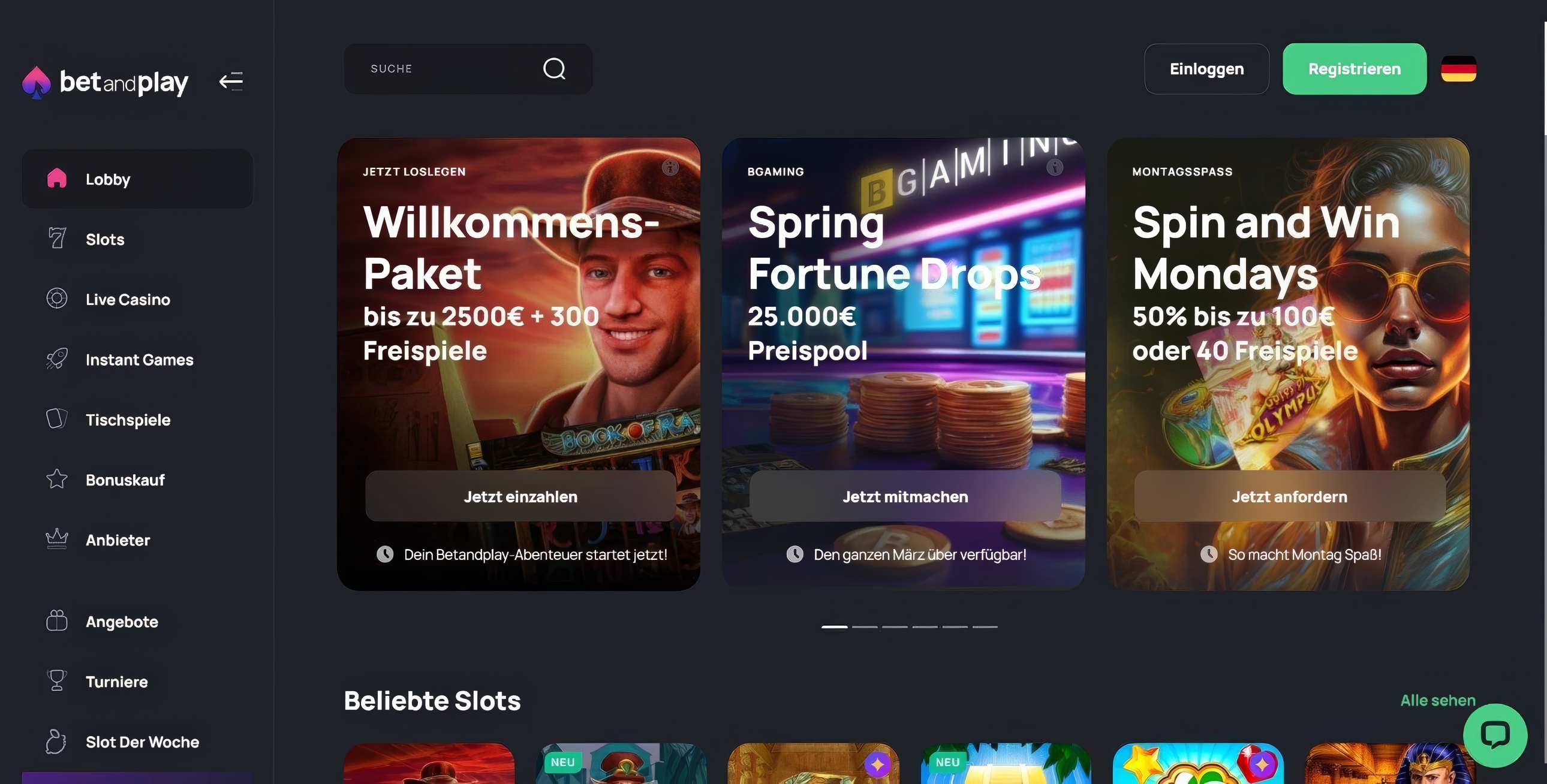
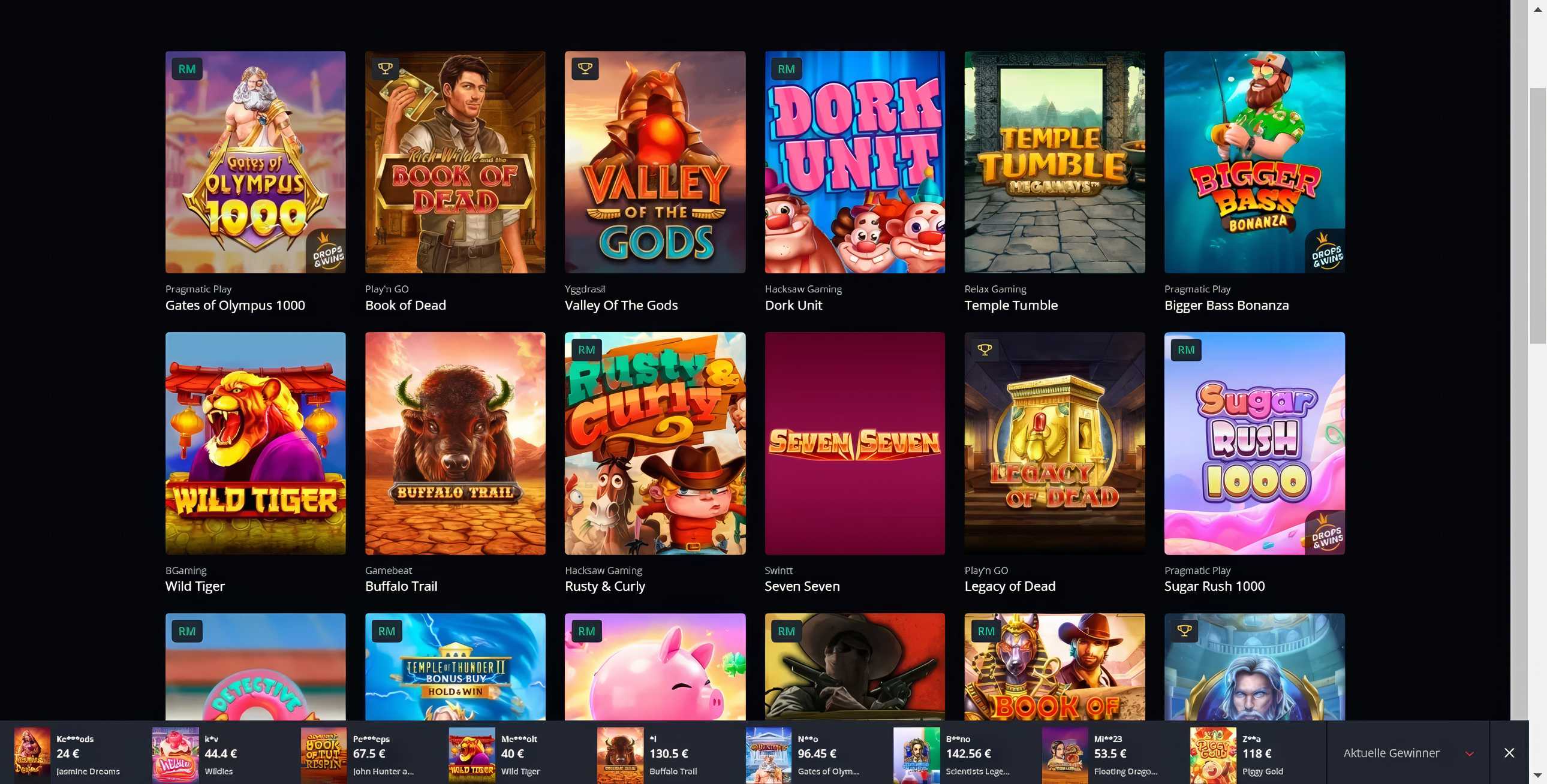
For new players, the interface is the gatekeeper; a cluttered layout or sluggish navigation will send them away before they ever sample a slot’s bonus round. While a vast game library promises long-term engagement, a beginner cannot evaluate that variety if they cannot find the search bar, filter by provider, or load a demo in under five seconds. Conversely, a sleek UI with only fifty titles still allows immediate experimentation with blackjack, roulette, and a few slots, teaching core mechanics faster. The optimal balance for onboarding prioritizes intuitive usability over sheer catalog size, limiting initial choice to reduce decision paralysis, then revealing depth once basic betting patterns feel comfortable. High variety becomes irrelevant when a confused user cannot locate their preferred stake level or game rules. Interface errors—frozen reels, misclicked bet sizes—destroy trust more quickly than missing niche titles. Ultimately, new players should pick a platform where the lobby feels obvious, and use the demo mode to test whether game discovery remains effortless after the first week.
For newcomers, an intuitive, responsive user interface trumps raw game variety, because it enables fast learning and trust, whereas excessive choice without clarity causes immediate disengagement.
Mobile Compatibility and Loading Speeds You Should Demand

Your chosen platform must render flawlessly on the device you actually use, whether that’s a two-year-old Android or the latest iPhone. Demand native-speed mobile compatibility, meaning no flash-based games or clunky redirects to a stripped-down browser version. Test the lobby’s load time on 4G, not just Wi-Fi; a 3-second delay between tapping a game and seeing the spin is your failure threshold. Insist on instant-resume after a call or app switch, since memory-kill reloads cost you reaction time. Require that all features—deposits, live dealer video, and cashier—remain fully functional at half screen brightness. Finally, check whether the site pre-caches your most-played titles.
- Open the platform on your primary device and time a full game launch.
- Force-close the browser and relaunch to verify session persistence.
- Switch between landscape and portrait to confirm layout stability.
Payment Methods That Get You Playing Fastest and Cashing Out Quickest
For immediate action, e-wallets like Skrill and Neteller are the standard for fastest payout processing, often clearing withdrawals within hours. Credit and debit cards are universally accepted for instant deposits but can take two to five business days for cashouts. Cryptocurrency offers the most extreme speed—deposits land in minutes and withdrawals are typically confirmed within the hour. Prepaid cards are excellent for instant funding but rarely support withdrawals, forcing a bank transfer. To avoid delays, verify your identity before cashing out and always check the platform’s pending time—some hold withdrawals for 24–48 hours regardless of method, which negates the speed advantage.
Maximizing Your Bankroll with Smart Betting Strategies
Maximizing your bankroll in online gambling begins with strict stake sizing—wager only 1–2% of your total funds per bet to survive losing streaks. Set a clear loss limit before each session and walk away when hit, as chasing losses depletes capital faster than any edge can recover. Prioritize low-house-edge games like blackjack or baccarat over high-volatility slots, since reduced mathematical advantage directly extends your playing time. Use bonuses and cashback offers strategically, but always read wagering requirements to avoid traps that force oversized bets. Track every wager in a spreadsheet to identify profitable patterns and cut unprofitable ones. Emotional discipline, not clever systems, is the only consistent hedge against variance in an environment designed for the house. Finally, divide your bankroll into weekly units and never replenish mid-cycle, ensuring a fixed budget that prevents impulsive reloads.
Setting Loss Limits and Win Goals That Actually Keep You in Control
Setting loss limits and win goals that actually keep you in control starts with pre-committing to numbers that match your bankroll, not your emotions. Divide your funds into session caps—say, 20%—and stop the moment you hit them, no exceptions. Win goals work similarly: lock in a profit target, like 30% above your starting stack, and walk away even if momentum tempts you. The trick is treating both as non-negotiable appointments, not suggestions you can reschedule mid-spin. Use the platform’s built-in tools to enforce these boundaries automatically, so you’re never relying on willpower alone. Track every session in a log to spot patterns where you’re creeping past your own rules. This discipline turns your bankroll from a fleeting balance into a managed resource.
Control isn’t about how much you win—it’s about honoring the exact loss limit and win goal you set before you clicked “Bet.”
Using Bonuses and Free Spins to Stretch Your First Deposit
Stretching your first deposit starts with targeting deposit match bonuses that inflate your bankroll instantly—a 100% match turns $50 into $100 of playable funds. Prioritize free spins on high-volatility slots, as they carry the strongest potential to convert bonus credits into withdrawable cash without risking your principal. Before claiming, scan the wagering requirements; aim for multipliers under 30x. Then, follow this sequence:
- Deposit only the minimum required to unlock the maximum match percentage.
- Use free spins first on games with high RTP to build a small cushion.
- Switch to low-stake wagers on qualifying games to grind through the playthrough requirement.
Always check game contribution rates—slots usually count 100%, while table games may only count 10%. This approach turns promotional value into a strategic bankroll buffer, extending your session length and your odds of a profitable run.
Understanding Wagering Requirements Without Getting Burned
Understanding wagering requirements without getting burned starts with reading the playthrough multiplier before claiming any bonus. A 35x requirement on a $100 bonus, for instance, forces you to wager $3,500 before withdrawing winnings. Always check whether your cash deposit counts toward the requirement alongside the bonus, since some terms exclude it. To avoid surprises, follow this sequence:
- Calculate the total amount required by multiplying the bonus (or bonus-plus-deposit) by the multiplier.
- Confirm which games contribute 100%—slots usually do, while table games often count at 10–20% or not at all.
- Set a time limit; most offers expire within 7–30 days, so divide the requirement by your average bet size to verify feasibility.
Finally, watch for max bet caps during wagering—betting over $5 per spin can void the bonus instantly, turning a “free” offer into a costly trap.
What Games Offer the Best Odds and Lowest House Edge?
In online gambling, blackjack offers the best odds and lowest house edge when played with basic strategy, typically reducing the casino advantage to around 0.5%. European roulette follows with a 2.7% house edge, beating American roulette’s 5.26% due to the single zero. Video poker variants like Jacks or Better can return over 99% with optimal play, closely matching blackjack.
The key insight is that skill-based games—blackjack and video poker—consistently outperform pure chance games like slots, which often carry edges exceeding 5%.
Baccarat’s banker bet offers a respectable 1.06% edge, making it the best choice among table games without decision-making. Craps pass/come bets carry a low 1.41% edge, ideal for beginners. Always check paytables for video poker and rule variations for blackjack, as these shift the house edge meaningfully.
Blackjack, Baccarat, and Craps: Where Skill Shrinks the Advantage
In Blackjack, Baccarat, and Craps: Where Skill Shrinks the Advantage, the house edge collapses when you apply correct strategy. Basic strategy in blackjack cuts the casino’s take to under 0.5%, while card counting—though harder online due to continuous shuffling—still rewards perfect play on select live-dealer tables. Baccarat offers minimal skill via banker bets (1.06% edge), but disciplined flat-betting avoids the lure of the player bet’s worse return. Craps demands skill only on odds bets; backing pass/come with maximum free odds drops the combined edge to near zero. In every case, avoiding side bets—like insurance, tie wagers, or prop bets—is the real skill. You cannot beat the math, but you can shrink it to negligible levels by choosing the right bet every time.
Mastering basic strategy, banker-only baccarat, and full odds on craps reduces the house edge to fractions of a percent—turning chance into a near-even contest.

Slot Volatility Explained: Choosing Between High-Variance Jackpots and Steady Payouts
Slot volatility dictates your entire bankroll strategy. High-variance jackpots punish you with dry streaks, but when they hit, the wins can multiply your stake by hundreds—perfect for thrill-seekers with deep pockets and patience. Low-variance slots drip-feed frequent, modest payouts, preserving your balance during long sessions while slowly eroding the house edge. The real trick is matching volatility to your session length: short bursts favor low variance to avoid busting out, while extended play with high variance demands strict loss limits. Remember, neither option changes the RTP—only the rhythm of risk versus reward you experience.
Poker Tournaments vs. Cash Games – Which Suits Your Time and Temperament
When weighing poker tournaments vs. cash games, your schedule dictates the choice, not just skill. Cash games let you buy in and leave any hand, perfect for unpredictable 30-minute windows; tournaments demand a fixed 3–6 hour commitment, punishing early exits with a lost buy-in. For temperament, cash games reward patient, bankroll-conscious grinding where you control exposure per hand. Tournaments, however, suit risk-tolerant players chasing variance spikes—ICM pressure forces aggressive shoves near bubbles. If you prefer steady profit, cash wins. If you crave a structured endgame with a top-heavy payout, tourneys deliver. Consider this sequence:
- Assess your available time block honestly.
- Measure your tilt threshold—cash loses are incremental; tourney busts are abrupt.
- Match your stakes: low buy-in tournaments for fun, deep cash games for consistency.
Common Pitfalls and How to Avoid Them While Playing Online
The most destructive pitfall in online gambling is chasing losses, where you increase bets to recover sunk capital, which deepens the hole. Avoid this by setting a **hard loss limit before you start** and stopping immediately when hit, treating it as a sunk cost. Another common trap is playing while distracted or fatigued, leading to misclicks and impulsive decisions; mitigate it by playing only when fully alert in a quiet environment.
Set a timer and a deposit cap, then walk away for 24 hours after any significant win to prevent the “hot streak” illusion.
Finally, never gamble with money earmarked for bills—use a separate, pre-funded e-wallet to enforce a strict budget, and log out after every session to break the autoplay cycle.
Spotting Rigged Software and Fake Payouts Before You Deposit
Before depositing, scrutinize the software’s provenance by checking for a verifiable licensing seal and independent audit certificates from entities like eCOGRA or iTech Labs; their absence is a primary red flag for rigged software. Seek out real-player forum discussions that mention delayed or denied withdrawals, as consistent complaints about fake payouts indicate a pattern of non-payment. Test the casino’s payout integrity by depositing only a minimal amount initially, then requesting a withdrawal immediately to observe their processing speed and any unexpected fees. Finally, confirm that the platform uses a provably fair system or a certified random number generator, which ensures game outcomes aren’t manipulated against you. Trusting these verification steps protects you from fake payout schemes before you commit real funds.
Managing Tilt and Emotional Decision-Making in Real-Time Bets
When you’re betting live, the clock ticks fast, and a bad beat can flip your mood in seconds. That’s when emotional decision-making in real-time bets wrecks your bankroll. Before you chase a loss, pause and set a hard rule: one missed bet means a five-minute cooldown, no exceptions. If you feel your heart racing after a goal or a card, close the tab—the game will still be there, but your clarity won’t. Use a tilt check: ask yourself if you’re betting because you see value or because you’re angry. If it’s the latter, walk away. A quick sequence helps: 1) Acknowledge the trigger emotion. 2) Step back from the screen. 3) Return only when your plan feels neutral. Remember, a calm mind reads live odds far better than a frustrated one.
Safe Banking Habits to Protect Your Identity and Funds Every Session
Before every session, access your casino account only through a direct, bookmarked URL rather than email links, which can be phishing traps designed to steal your login details. Use a dedicated, strong password for your gambling account and enable two-factor authentication to add a critical layer of protection against unauthorized withdrawals. Set a deposit limit and use a prepaid card or e-wallet for transactions, keeping your primary bank details off the site entirely. After each session, immediately log out and review your recent transactions for any unfamiliar activity, ensuring your funds and identity remain secure from session to session.